

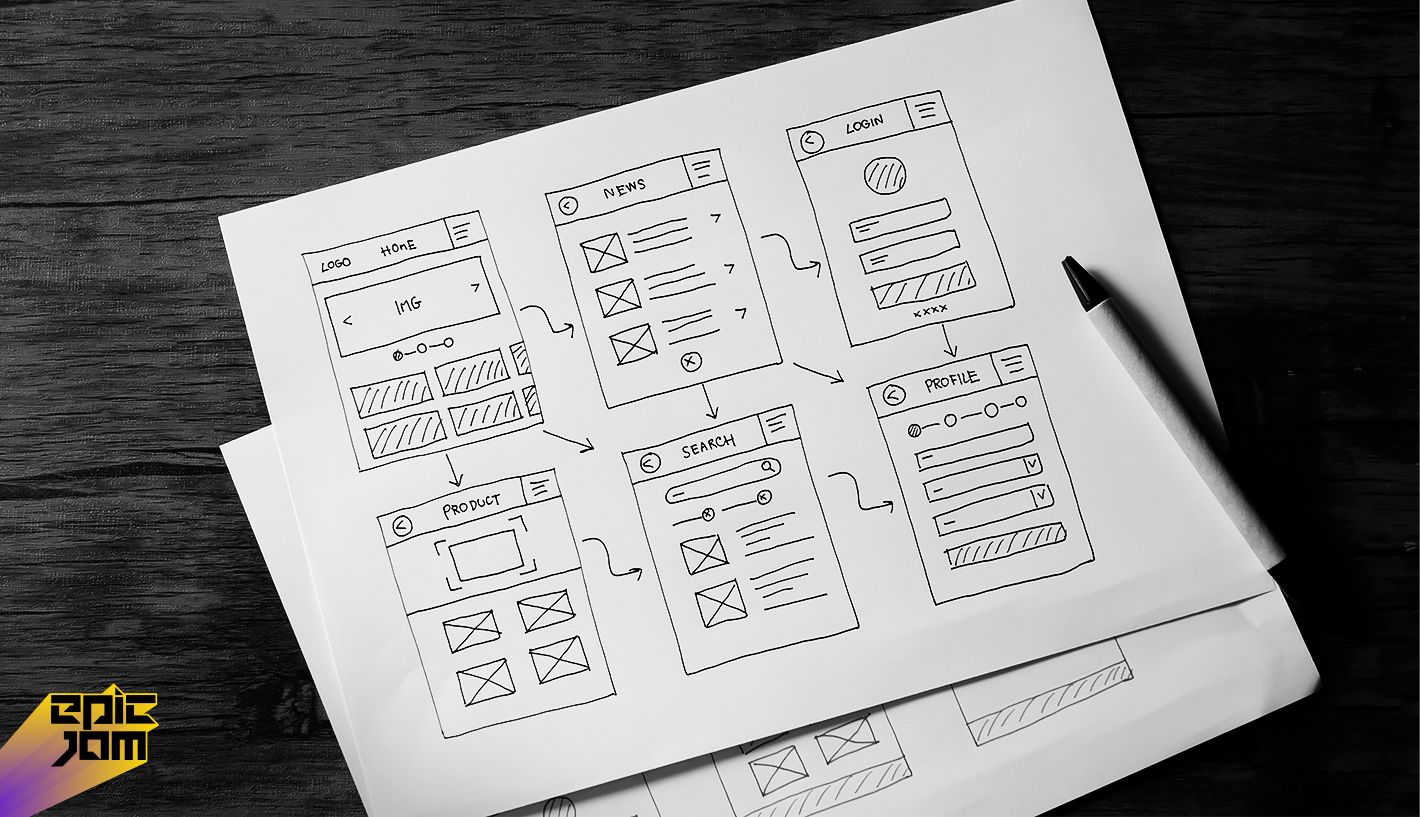
An MVP, or Minimum Viable Product, is the first, basic form of a product that is used in business development. Also, it is meant to be given to early adopters so that they can give comments. It is not a prototype; it is a working product with essential core features that work. In summary, MVP business development helps make sure that a product idea is good before spending a lot of money on full-scale design.
An MVP is very important for new businesses in the UAE. It lowers hazards and makes learning better. Also, it lets them swiftly test their ideas and get feedback from users. It also helps them improve their product by using data from the real world. This lean method of building an MVP software helps avoid wasting resources and makes sure the solution meets market needs!
MVP app development makes sure that costs are low and the app is ready for the market. It focuses on making a simple product with only the most important elements. It also minimizes the cost of design and lets you test product ideas early on. This method lets companies in the UAE get feedback from users and improve their product depending on how people use it in the real world. This decreases wasted reserves and raises the odds of the product’s success!
What Exactly is an MVP (And What It’s Not)
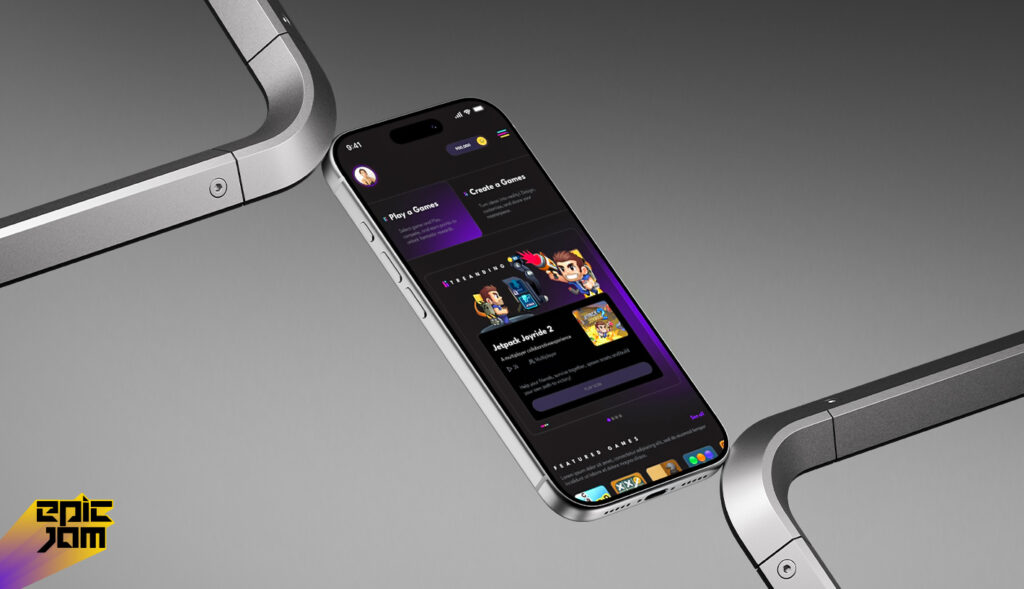
An MVP – or Minimum Viable Product – is that sweet spot between “nothing” and “everything.” It’s the simplest version of your product that can still deliver core value to early users.
Think of it as a conversation starter rather than a finished masterpiece.
Common misconceptions I often hear:
- “It’s a cheap, poorly made product”
- “It means launching with bugs and issues”
- “It’s an incomplete version of my vision”
The truth? A well-executed MVP is a strategic tool for learning. It’s not about what you can remove – it’s about identifying the absolute essential value your solution provides.
The Startup Killer: Why “Perfect” Products Fail
I’ve consulted with dozens of startups that fell into the perfection trap. They operate under the dangerous assumption that they know exactly what customers want without ever truly asking them.
The pattern is painfully consistent:
- Long development cycles (6-18 months)
- Significant financial investment before any validation
- Launch to disappointing customer response
- Costly pivots or complete failure
The most successful teams I’ve worked with, including the growth-focused squads at EPIC Jam, understand that building less initially means learning more – and ultimately building something people actually want to use and pay for.
The Tangible Benefits of Starting with an MVP
Validate Your Idea Without Betting the Farm
An MVP lets you test your core business hypothesis with minimal resources. Instead of wondering “Will this work?” you get data that shows you what actually works.
Attract Early Adopters and Build Community
Your first users become your most valuable focus group. They’ll tell you what they love, what they hate, and what they’d pay for. This feedback is pure gold that you simply can’t get any other way.
Save Significant Time and Development Costs
Why spend six months building features nobody wants? An MVP approach helps you prioritize what matters most, ensuring every development dollar moves you closer to product-market fit.
Secure Funding with Real Data
When you can show investors actual user engagement instead of just a business plan, you dramatically increase your chances of funding. Real traction speaks louder than any pitch deck.
What Does a Successful MVP Look Like in Practice?
Let’s make this concrete with some famous examples:
Dropbox: Started with a simple video demonstrating their file-sync concept
Airbnb: Began with a basic website offering air mattresses in a San Francisco apartment
Uber: Launched in one city with only black cars
Notice the pattern? Each solved one core problem exceptionally well before expanding.
Building Your MVP: A Practical Framework
Step 1: Identify Your Core Value Proposition
Ask yourself: “What single problem am I solving, and for whom?” Be brutally specific. If you can’t explain your value in one sentence, you’re not ready to build.
Step 2: Define Your “Minimum”
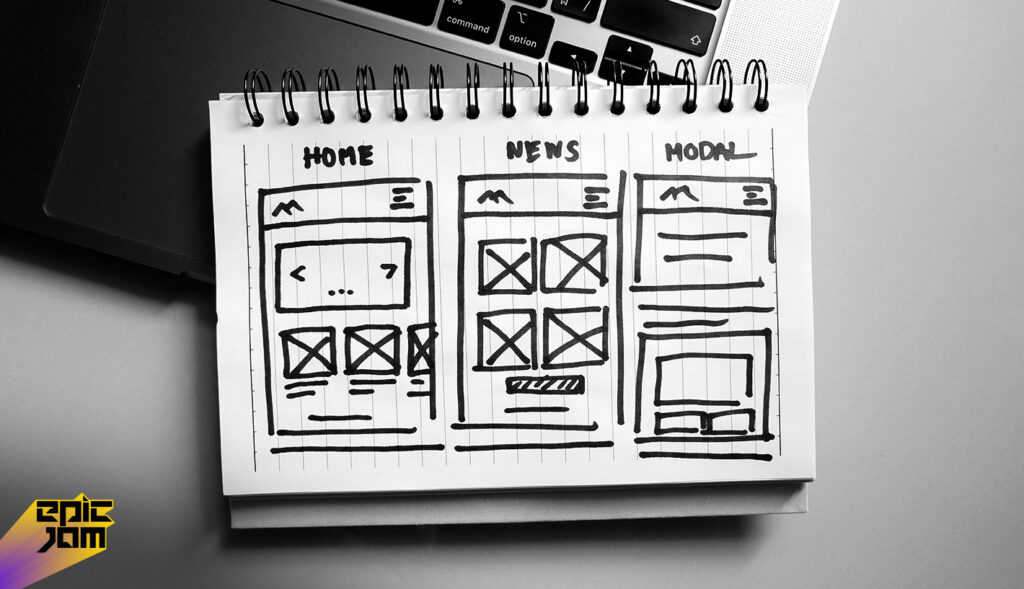
List every possible feature. Now cross out everything that isn’t absolutely essential to delivering your core value. What remains is your MVP feature set.
Step 3: Choose the Right Metrics for Validation
What does success look like? It could be:
- Sign-ups for a waitlist
- Early access requests
- Pre-orders
- User engagement with a specific feature
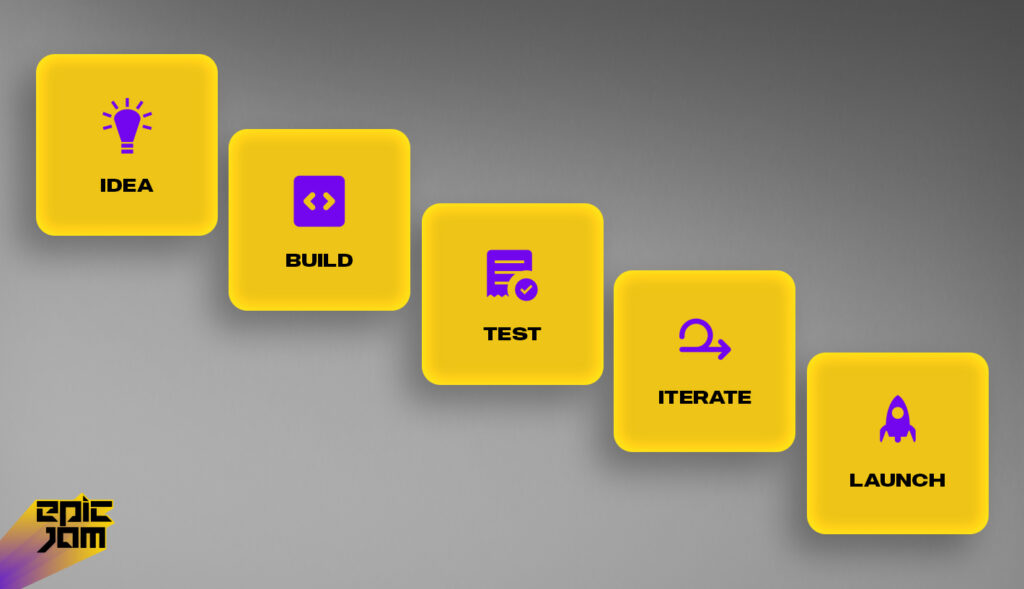
Step 4: Build, Measure, Learn (Repeat)
This isn’t a one-and-done process. The most successful startups treat their MVP as the beginning of an ongoing conversation with their market.
Common MVP Mistakes (And How to Avoid Them)
Mistake #1: Building Too Much
I’ve seen teams add “just one more feature” until their lean MVP becomes a bloated product. Stay disciplined.
Mistake #2: Not Talking to Users Early Enough
Your opinion, while valuable, is not data. Get your MVP in front of real users as soon as humanly possible.
Mistake #3: Ignoring the “Viable” in MVP
Your product must still solve the core problem effectively. Don’t use “it’s an MVP” as an excuse for poor execution.
When You Might Need More Than a Basic MVP
While MVP development works for most digital products, there are exceptions:
- Highly regulated industries (healthcare, finance)
- Hardware-heavy products
- Solutions requiring significant infrastructure
Even in these cases, you can still apply MVP thinking by creating prototypes, simulations, or focused versions of your solution.
| Section / Concept | Core Definition & Purpose | Key Actions & Strategic Benefits |
|---|---|---|
| 1. The Core Philosophy of an MVP | Definition: A Minimum Viable Product is the most basic version of your product that can be released to early adopters. It has just enough core features to be usable and provide value. Purpose: To test fundamental business hypotheses with minimal resources and gather validated learning. |
– Focus on Core Value: Strip the idea down to its essential problem-solving feature. – Test & Learn: Use the MVP as a live experiment to answer: “Do customers want this?” |
| 2. The MVP Mindset Shift | A move away from the traditional “build it perfect in secret” model to a modern, agile, and risk-averse approach. | – Launch Then Perfect: Prioritize market entry over perfection. – Embrace Feedback: View early user reactions as crucial data, not criticism. – Validate Demand: Prove there’s a market before over-investing. |
| 3. Tangible Benefits for Startups | The concrete advantages of the MVP pathway that directly address common startup challenges. | – Conserve Capital: Drastically reduces upfront development costs. – Accelerate Time-to-Market: Launch in weeks/months, not years. – Mitigate Risk: Fail fast and cheaply if the concept is flawed. – Attract Investors: Provides real-world traction and data to secure funding. |
| 4. The Step-by-Step MVP Process | A cyclical, iterative framework for building, measuring, and learning. | 1. Ideate & Strategize: Identify the core problem and single solution. 2. Design & Build: Develop only the essential features for the core user journey. 3. Launch & Measure: Release to a select group and track key metrics (engagement, retention). 4. Learn & Iterate: Analyze feedback and data to guide the next development cycle. |
| 5. Avoiding Common Pitfalls | Critical mistakes to avoid when pursuing an MVP strategy. | – Don’t Build Too Much: Avoid “feature creep” that dilutes the test. – Don’t Neglect Quality: “Minimum” does not mean “buggy” or unusable. – Listen to the Right Data: Prioritize feedback from target users over general opinion. |
| 6. MVP as a Strategic Foundation | Positioning the MVP not as an end goal, but as the beginning of a guided growth journey. | – Builds a User-Centric Roadmap: Future development is dictated by real user needs. – Creates a Framework for Scaling: Provides a validated foundation for adding features and complexity. – The Smartest First Move: It is the most evidence-based, resource-efficient way to start a venture. |
From MVP to Full Product: Making the Transition
Your MVP isn’t the end goal – it’s the starting line. The feedback and data you collect should directly inform your product roadmap. The features your users beg for? Build those next. The ones they ignore? Save them for later (or never).
Your Move: Start Small to Win Big
In the startup world, being “smart” often means being strategic about where you place your bets. MVP business development isn’t about thinking small – it’s about starting smart.
It’s the difference between guessing what might work and knowing what does work. Between hoping customers will come and knowing they’re already waiting.
The most successful founders I know share one trait: they’re relentlessly focused on learning quickly and adapting faster. Your MVP is your vehicle for doing exactly that.
Read Also: Web Development Agency in Dubai: Your Launchpad to Digital Success in the UAE
Frequently Asked Questions
Q1) How much should I budget for an MVP?
Costs vary widely, but a solid digital MVP typically ranges from $15,000 to $50,000. The key is that it should be significantly less than building a full-scale product.
Q2) How long does MVP development take?
Most MVPs take 2-4 months from concept to launch. If you’re stretching beyond 6 months, you’re probably building too much.
Q3) What if my MVP fails?
Then you’ve just saved yourself years of effort and significant money building something nobody wanted. That’s not failure – that’s valuable learning.
Q4) Can I raise funding with just an MVP?
Absolutely. In fact, many investors prefer to see a validated MVP with early user traction rather than just an idea or business plan.

